
Things to Do in Bilbao in January
January weather, activities, events & insider tips
Low Season · Budget Friendly
January Weather in Bilbao
Temperature, rainfall and humidity at a glance
56°F (13°C)
High Temp
41°F (5°C)
Low Temp
5.1 inches (130 mm)
Rainfall
79%
Humidity
⚠ Persistent Atlantic drizzle (sirimiri) and wind-driven rain on roughly 10 days. Coastal paths and old-town stone streets get slippery. Waterproof footwear with grip matters.
Is January Right for You?
Weigh the advantages and considerations before booking
Advantages
- + This is Bilbao at its quietest. The Guggenheim's titanium curves, which in August have a queue snaking back toward the Nervión river, you can walk straight into on a wet January Tuesday. Frank Gehry's building looks its best now anyway, the brushed metal turning pewter-grey under low cloud and then flaring silver the moment the sun breaks through.
- + Pintxo bars in the Casco Viejo (the medieval Old Town, seven original streets known as the Siete Calles) belong to locals again in January. At Plaza Nueva on a Sunday morning you'll be elbow-to-elbow with Bilbaínos doing the txikiteo, the slow crawl from bar to bar, rather than with cruise crowds. The gilda skewers and bacalao pintxos taste the same. The room feels completely different.
- + Prices drop hard after Epiphany. Hotels around Abando and the Ensanche that are a splurge in summer fall to mid-range or lower from the second week of January, and Athletic Club home matches at San Mamés are easier to get into than in spring.
- + Winter is when Basque cooking makes the most sense. This is bacalao al pil-pil season, the salt cod cooked low in olive oil and garlic until the sauce emulsifies into something glossy and almost custardy, and marmitako, the tuna-and-potato stew that smells of smoked paprika the second it hits the table. Eating it while sleet ticks against the window is the whole point.
Considerations
- − It rains, and Bilbao rain is not a dramatic tropical burst that clears in twenty minutes. This is Atlantic sirimiri, a fine persistent drizzle that hangs in the air and soaks you slowly over an afternoon. Expect rain on roughly 10 days of the month, often as a grey all-day damp rather than a defined storm.
- − The beaches are essentially off the table for swimming or sunbathing. The 56°F (13°C) daytime high and an Atlantic that's colder still mean Sopelana, Plentzia and Getxo's Ereaga are January spots for a bracing windblown walk and a coffee, not for towels and trunks.
- − Daylight is short and the weather is changeable. You can get a crisp blue morning and a sodden afternoon in the same day, which makes tightly planned outdoor itineraries frustrating. You have to stay flexible and keep an indoor option in your back pocket.
Best Activities in January
Top things to do during your visit
Guggenheim and Fine Arts Museum gallery days
January is the single best month to do Bilbao's two major museums properly. The Guggenheim's permanent Richard Serra installation, The Matter of Time, those rusting steel spirals you walk inside, is hushed and near-empty on weekday mornings, and Jeff Koons' flower-covered Puppy out front gets its winter planting around now. Ten minutes' walk away, the recently expanded Museo de Bellas Artes is free to enter and almost ignored by visitors. Pairing both fills a rainy day well and keeps you warm.
Booking Tip: Book the Guggenheim online for a morning slot 2 to 3 days ahead to skip the ticket line entirely. Midweek is quietest. See current guided options in the booking section below. Look for licensed local guides who include the building's architecture, not just the art.
Guided pintxo and txakoli crawls in the Old Town
A walking food crawl through the Casco Viejo is built for January weather, because you spend the cold stretches indoors at the bar and only step out for two minutes between stops. You'll move through Plaza Nueva and the Siete Calles tasting gilda skewers, bacalao croquettes, and txakoli, the slightly fizzy, sharp white wine that bartenders pour from a height to aerate it. Winter means the bars are full of locals, so a good guide gets you the rhythm of the txikiteo rather than a tourist set menu.
Booking Tip: Book 5 to 7 days ahead for evening slots, which fill faster than lunch even in winter. Choose operators capped at small groups so you fit at the bar. Reference the booking widget below for current tours.
Athletic Club match at San Mamés
La Liga is in full swing in January, and seeing Athletic Club at San Mamés is the most authentically Bilbaíno thing you can do all winter. The club fields only Basque players, so the stadium roars with a fierce local identity you won't find at a neutral tourist attraction. The covered stands keep most of the rain off, and the pre-match ritual of pintxos and beer in the surrounding bars is half the experience.
Booking Tip: Check the fixture list and book the moment tickets release, usually a couple of weeks before each home match. Buy through official channels only to avoid resale problems. See current matchday experiences in the booking section.
Day trip to San Sebastián and the Basque coast
An hour east by bus or car, San Sebastián's curving La Concha bay is dramatic in winter, the waves big enough that the promenade gets sprayed and the whole crescent goes silver-grey under storm light. Even on an ordinary day, the Parte Vieja's pintxo bars rival Bilbao's, and the wild coastal scenery between the two cities is at its most cinematic now.
Booking Tip: Book a small-group day tour 7 to 10 days ahead, or go independently by intercity bus, which runs frequently and takes about an hour. For the Tamborrada, plan well in advance as it's the busiest day of San Sebastián's winter.
Rioja Alavesa winery day tours
Winter is a calm, generous time in the Rioja Alavesa wine country, about an hour south of Bilbao through the dramatic limestone wall of the Sierra de Cantabria. The vines are bare and the tourist coaches are gone, so visits feel personal, and the cellars are cool, earthy, and lined with sleeping barrels. Tempranillo reds are exactly what you want against January chill, and villages like Laguardia sit medieval and quiet on their hilltops.
Booking Tip: Book a guided tour 7 to 14 days ahead since winter winery visits run on reduced schedules and need reservations. Pick operators that include transport so nobody has to skip the tasting to drive. See current options below.
Funicular de Artxanda and old-town walking tours
On any clear-ish morning, ride the century-old Funicular de Artxanda up the hillside for the classic view down over the whole city in its river bowl, the Guggenheim catching light below. It climbs roughly 770 ft (235 m) in a couple of minutes. Pair it with a walking tour of the Casco Viejo, where a good guide threads the Santiago Cathedral, the Mercado de la Ribera (one of the largest covered markets in Europe), and the seven founding streets. The market is the warm, fragrant heart of any rainy-day plan.
Booking Tip: Walking tours run year-round. Book 2 to 3 days ahead. Choose morning departures to dodge the heaviest afternoon drizzle. The funicular needs no reservation. Just go when the sky looks willing.
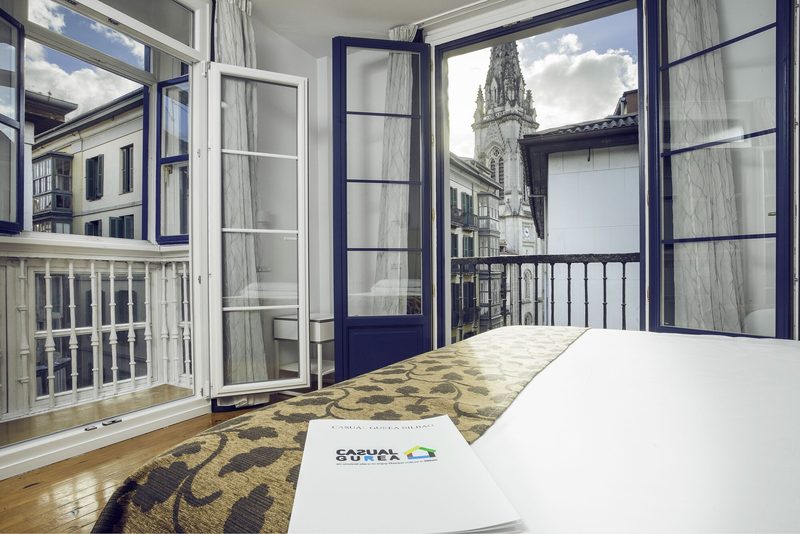
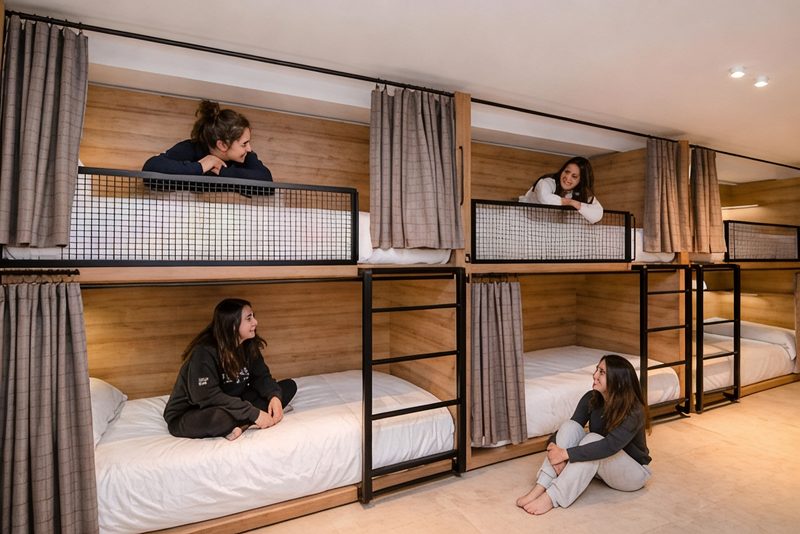
Where to Stay in Bilbao in January
Hand-picked hotels across price tiers for January travellers.

Public Holidays in January
Dates that affect opening hours, transport and crowds
Año Nuevo
Known in English as New Year's Day. Observed nationwide as a public holiday.
Día de Reyes / Epifanía del Señor
Known in English as Epiphany. Observed nationwide as a public holiday.
Año Nuevo
Known in English as New Year's Day. Observed nationwide as a public holiday.
Día de Reyes / Epifanía del Señor
Known in English as Epiphany. Observed nationwide as a public holiday.
Packing Checklist
Bookmark this page — your progress is saved between visits
Need the full list with shopping links?
Climate-specific gear, brand recommendations, and what to leave at home.
View Bilbao Packing List →Essential Tips
Insider knowledge and common pitfalls to avoid
Insider Knowledge
Eat your main pintxos standing at the bar, not seated. Many Casco Viejo and Plaza Nueva bars charge more for table service. Locals do the whole evening on their feet anyway, moving on after one drink and one bite.
January is txakoli and cider-house territory. Look for a winter sagardotegi (cider house) meal just outside the city. You pour cider straight from the barrel and eat salt cod omelette and a huge txuleta steak. It's a local thing tourists miss entirely.
Use the Metro and the spotless trams to reach the beaches at Getxo and Plentzia for a windblown winter walk. The line runs right out to the coast and is far cheaper and faster than a taxi.
On Epiphany, January 6, plan a walking-and-eating day rather than a museum day. Reduced holiday hours catch a lot of first-timers off guard. Markets and many bars stay lively even when ticketed sights close.
Avoid These Mistakes
Treating Bilbao like Mediterranean Spain and packing for sun. This is the green, wet, Atlantic north. January here is closer to coastal Brittany than to Barcelona.
Trying to swim or sunbathe at Sopelana or Ereaga. In January those beaches are for walks and surfers in full wetsuits, not for the towel-and-trunks idea many arrive with.
Over-scheduling outdoor sightseeing on fixed timings. The weather flips between sun and drizzle within hours. Keep the Guggenheim, Bellas Artes, or the Ribera market as flexible rainy-hour fallbacks.
Ready to plan your trip to Bilbao?
Now that you've got the research covered, here's where to go next.
Book Experiences in Bilbao
Top-rated things to do in Bilbao this January


Explore More Activities in Bilbao
Didn't see anything interesting yet?
Browse Viator's full catalog of tours, day trips, food experiences, and private guides in Bilbao.
See All Bilbao Tours on Viator